17 Nov 2026
Blending Live Dealer Features with Slot Machine Play in New Licensed Gaming Sites
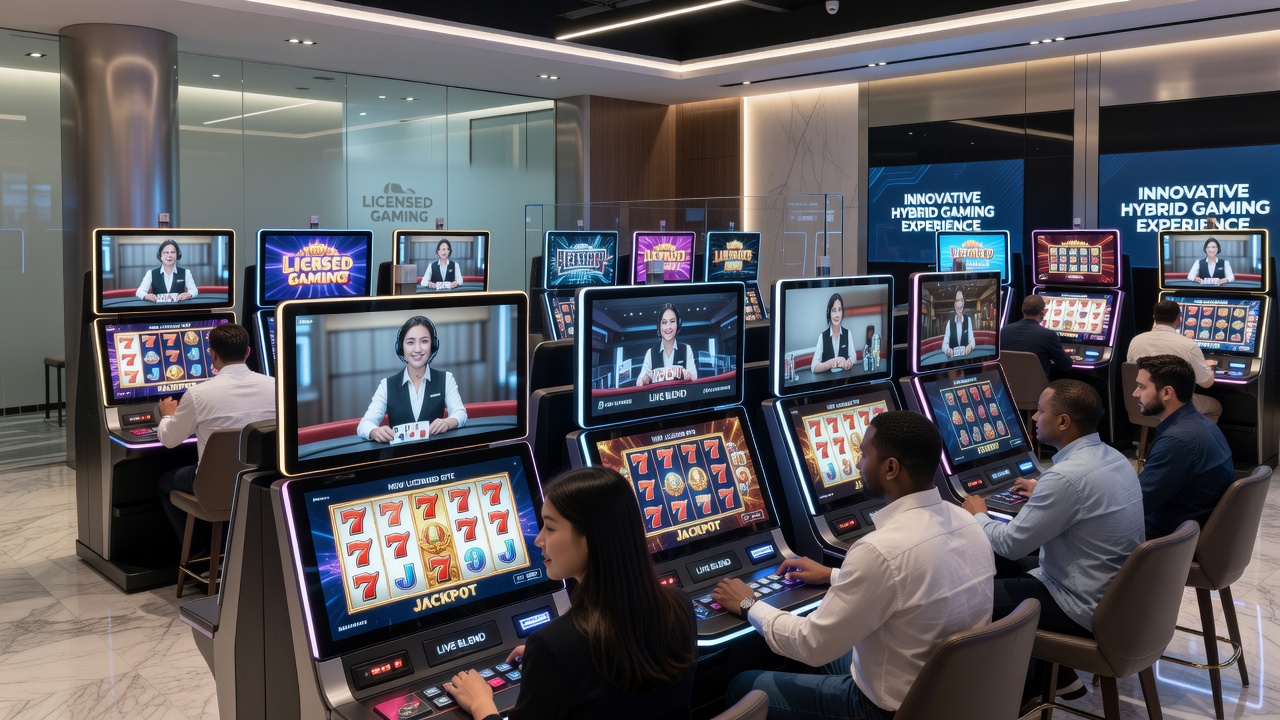
New licensed gaming sites continue to introduce hybrid formats that combine live dealer elements with traditional slot mechanics, creating experiences where players interact with real-time hosts while spinning digital reels. These platforms operate under regulatory frameworks in multiple jurisdictions, and operators integrate live video feeds directly into slot interfaces so that dealers can trigger bonus rounds or announce wins in real time.
Technological Foundations Behind Hybrid Slot Formats
Developers use streaming protocols and synchronized random number generators to link physical dealer actions with slot outcomes, allowing a host to spin a physical wheel that determines multipliers applied to digital reels. Systems from providers such as Evolution Gaming and Playtech power these integrations, and data centers maintain low-latency connections that keep video and game logic aligned across desktop and mobile clients.
Engineers test these setups against standards set by testing labs including iTech Labs and GLI, while operators in New Jersey and Ontario require third-party certification before launch. In November 2026 several new sites plan to debut versions that add augmented reality overlays, letting players see dealer gestures mapped onto 3D reel environments without leaving the slot screen.
Regulatory Landscape Across Different Markets
Regulators in various regions evaluate hybrid products under existing slot and table game categories. The Nevada Gaming Control Board reviews submissions that combine live elements with electronic gaming devices, and similar reviews occur through iGaming Ontario for platforms serving Canadian players. Malta Gaming Authority guidance covers live-streamed content that feeds into RNG-based games, requiring operators to maintain separate audit trails for dealer decisions and algorithmic results.
Operators must also comply with data protection rules when video feeds capture player reactions, and licensing applications in these jurisdictions now include detailed technical diagrams showing how live and random components interact. Figures from industry reports indicate that approvals for such hybrids have increased steadily since 2024 as testing protocols mature.
Player Interaction Patterns in Hybrid Environments
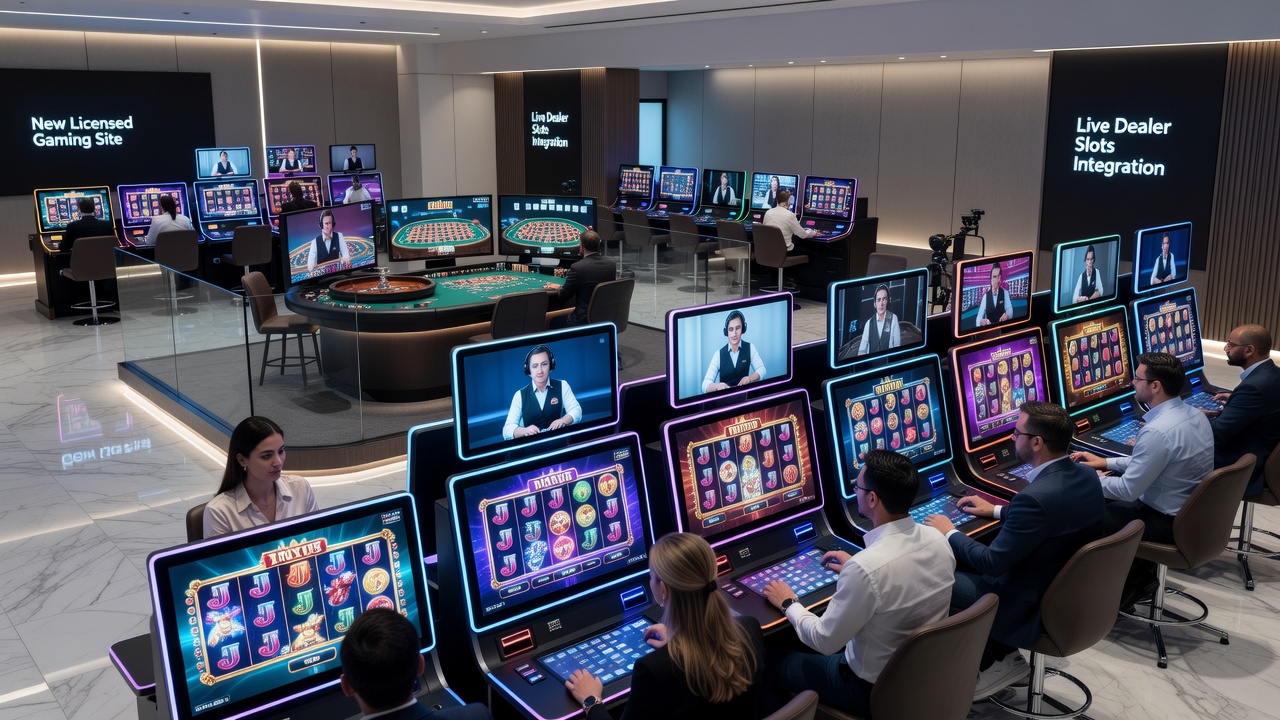
Analytics platforms record higher session durations when live hosts appear during bonus triggers, and operators note that chat functions tied to the dealer feed increase repeat visits. One study conducted by researchers at the University of Nevada, Reno tracked engagement metrics across hybrid and standard slot titles, finding measurable differences in average bet frequency during live-hosted rounds.
Game designers incorporate dealer-controlled features such as timed spins or community jackpots that activate only when enough players join the live table, and these mechanics appear in titles rolled out by new licensed sites targeting European and North American audiences. Data shows that players often switch between pure RNG mode and live mode within the same session, using toggles provided in the interface.
Examples from Recently Licensed Platforms
Several operators that received licenses in 2025 and 2026 have launched titles featuring live dealers who manage reel-stop sequences or reveal hidden symbols through physical props. These games run on platforms that also host conventional slots, allowing seamless movement between formats without separate logins. In one case a site licensed in New Jersey introduced a game where the dealer draws cards that modify reel paylines, and similar mechanics appear in Ontario-regulated environments.
November 2026 sees additional launches planned by operators expanding from existing live casino offerings into slot hybrids, with marketing focused on the continuity between table and reel play. Technical specifications shared in licensing documents highlight the use of redundant streaming servers to prevent interruptions during peak hours.
Integration Challenges and Solutions
Bandwidth requirements rise when video streams run alongside complex animations, yet developers address this through adaptive bitrate encoding that adjusts quality based on connection speed. Security teams implement encryption for both video and game data streams, and regulators mandate regular penetration testing of the combined systems. Observers note that successful deployments rely on cross-functional teams that include both software engineers and live operations staff.
Training programs for dealers now cover slot-specific protocols so that hosts understand reel mechanics and can explain features accurately during live sessions. These programs operate under guidelines from industry associations such as the American Gaming Association, which publishes resources on responsible integration of live and digital components.
Conclusion
Hybrid live dealer and slot formats represent an established direction for new licensed gaming sites, supported by certified technology and regulatory oversight across multiple jurisdictions. Continued launches scheduled for late 2026 demonstrate ongoing investment in synchronized systems that maintain compliance while delivering combined experiences. Data from certified testing and operator reports continue to inform refinements in these products as markets expand.