26 Aug 2026
The Impact of Cultural Motifs on Roulette Variant Development in Emerging Digital Studios
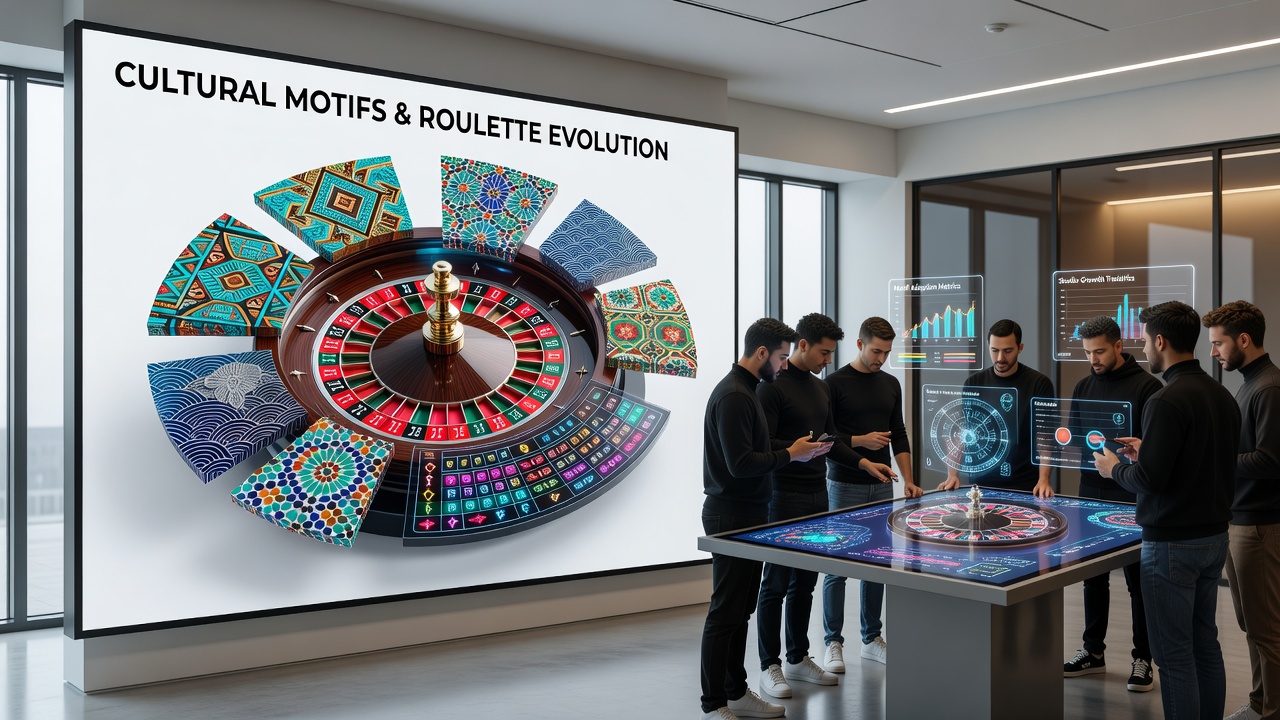
Emerging digital studios have incorporated cultural motifs into roulette variants at an accelerating pace since the early 2020s, drawing from regional traditions to differentiate products in competitive online markets. These motifs appear in wheel designs, background elements, bonus features, and interface animations, where developers adapt symbols such as Japanese cherry blossoms, Indian mandalas, and African geometric patterns to create distinct gameplay experiences. Data from industry tracking shows that variants featuring localized aesthetics accounted for a growing share of new releases between 2023 and 2025, as studios sought to attract players across Asia, Europe, and the Americas.
Regional Motifs Shaping Variant Mechanics
Studios based in Southeast Asia and Eastern Europe have integrated specific cultural elements that alter both visual presentation and minor gameplay adjustments. Japanese-inspired titles often include torii gates that trigger multiplier rounds, while Indian-themed variants embed diya lamp symbols that expand the betting grid during certain sequences. Observers note that these additions maintain standard roulette probabilities yet layer thematic interactions that extend session engagement without changing core odds. Research from academic gaming programs indicates that such integrations correlate with higher retention rates in targeted geographic markets.
Additional influences appear in African and Latin American motifs, where studios embed tribal patterns and festival imagery into chip designs and table borders. These elements frequently coincide with narrative progressions that reward consecutive spins with culturally resonant animations. In August 2026, several emerging studios released updates that expanded these narrative layers, incorporating user-selected cultural themes that persist across multiple sessions. Figures from platform analytics reveal that players engaging with these persistent themes completed 18 percent more spins on average than those using standard interfaces.
Technical Integration in Emerging Studios
Smaller development teams leverage modular asset libraries to embed cultural motifs efficiently, allowing rapid iteration across multiple variants. Programmers combine vector-based symbols with procedural generation algorithms that adjust color palettes based on regional preferences documented in player surveys. This approach reduces production timelines while preserving authenticity in motif representation, as verified through consultation with cultural advisors contracted by the studios. Industry reports highlight that studios employing these methods released an average of four new culturally influenced variants per quarter during 2025.
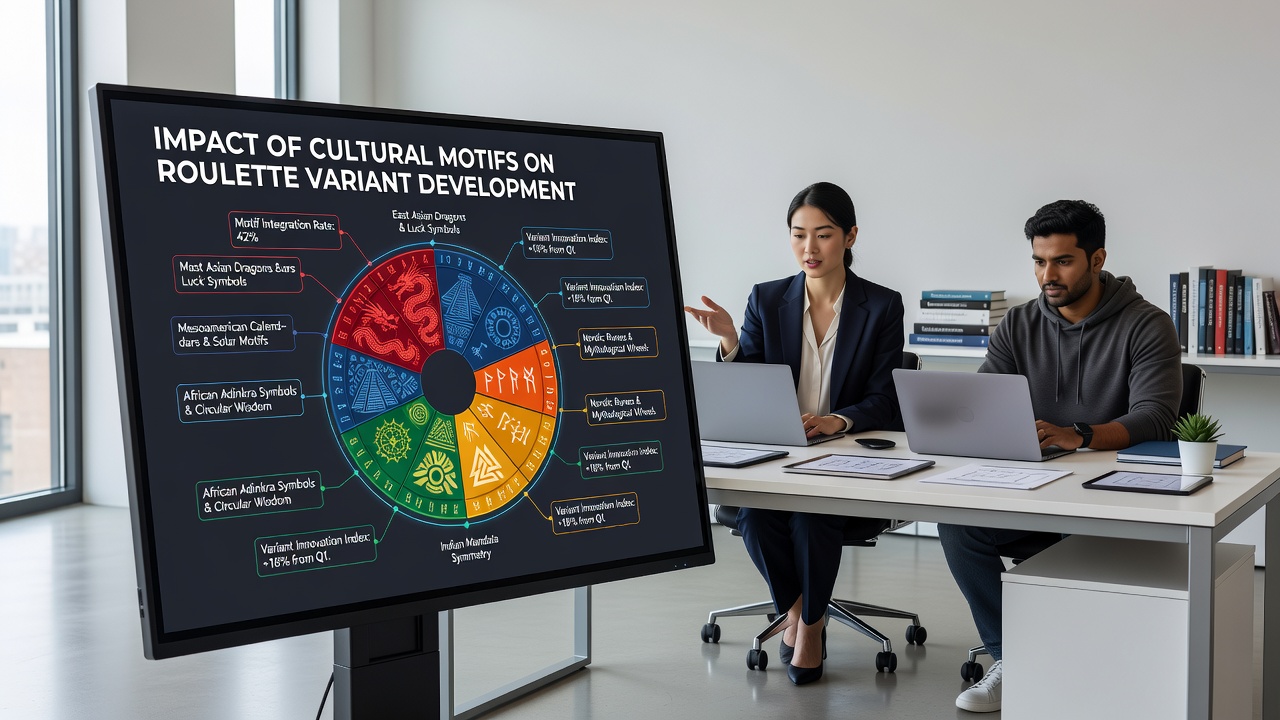
Collaboration between studios and regional licensing bodies further shapes how motifs translate into digital formats. Regulatory frameworks in jurisdictions such as Malta and Singapore require documentation that cultural representations remain respectful and non-stereotypical, prompting developers to refine designs through multiple review cycles. A report published by the Asia Pacific Gaming Association details how these compliance steps have standardized certain motif applications across studios while still permitting creative variation in animation timing and sound layering.
Market Data and Adoption Patterns
Platform operators report that roulette variants carrying distinct cultural motifs demonstrate stronger performance in specific territories. Titles incorporating East Asian elements recorded elevated download volumes in South Korea and Taiwan during early 2026, whereas Mediterranean-inspired designs showed comparable gains in Southern European markets. According to findings from the University of Nevada Gaming Research Center, these patterns reflect player preference for familiar visual contexts rather than mechanical innovation alone. Studios track these trends through anonymized session data that informs subsequent development priorities.
Cross-cultural hybrids have also emerged, combining motifs from multiple traditions within single variants. One documented case involves a variant merging Nordic rune symbols with Caribbean color schemes, resulting in a hybrid multiplier system activated by combined icon sets. Such experiments remain limited in scope yet illustrate how digital tools facilitate motif recombination that traditional physical roulette could not accommodate.
Conclusion
Cultural motifs continue to influence roulette variant development as emerging digital studios refine techniques for integration and compliance. Available data indicates sustained growth in motif-driven releases through 2026, supported by technical efficiencies and regulatory clarity in key jurisdictions. Further analysis from research institutions will clarify long-term effects on player behavior across diverse markets.